
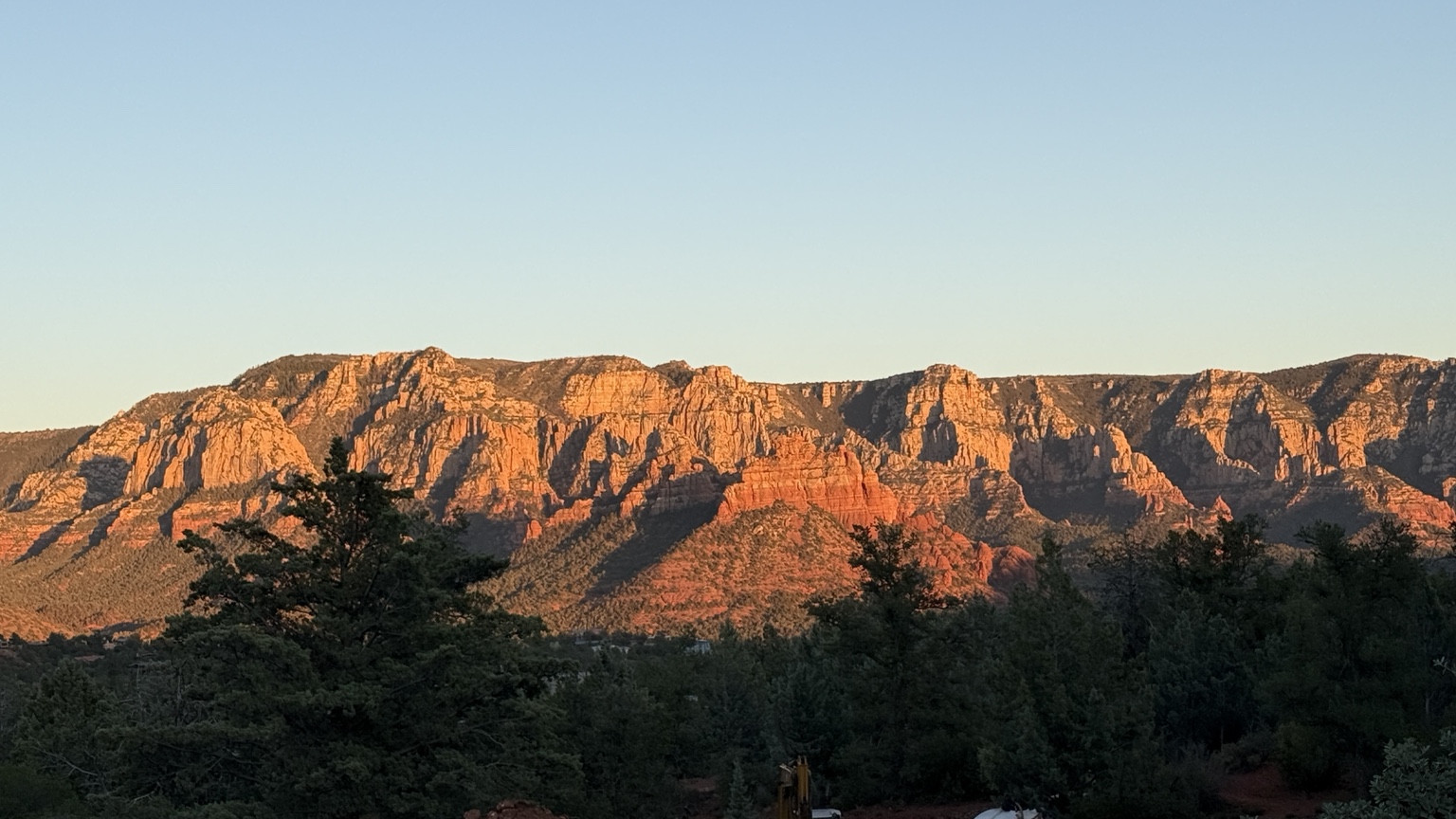
Oak Creek Canyon offers a setting that is difficult to duplicate, but buying there requires more property-specific research than buying a conventional home in central Sedona.
Before making an offer, verify the parcel’s jurisdiction, year-round access, flood and drainage conditions, wildfire planning, wastewater system, water source, utilities, insurance, and the legal extent of any creek or National Forest access.
The blunt version: buy the canyon property that works when the weather, traffic, and utilities are less cooperative, not only the one that feels perfect beside the creek.
Start with the parcel, not the Sedona mailing address
“Oak Creek Canyon” describes a geographic area, not one uniform jurisdiction or neighborhood. A property may have a Sedona mailing address while being inside the City, in unincorporated Coconino County, subject to shared access, part of an association, adjacent to federal land, or served by private utilities.
Start with the assessor parcel number. Confirm the governing jurisdiction using Coconino County property information, Coconino County GIS, and the City of Sedona GIS. Online parcel lines are helpful for orientation, but they are not a survey.
Treat State Route 89A as part of the property
State Route 89A is the primary corridor through Oak Creek Canyon. It is part of the canyon’s appeal and a major factor in daily ownership. Evaluate driveway visibility, turning radius, traffic, delivery and construction access, emergency access, road noise, and realistic alternatives during a closure.
ADOT has completed projects involving rockfall mitigation, drainage, sediment control, and bridge rehabilitation along the corridor. Its Oak Creek Canyon project information also documents prior emergency closures. On July 13, 2026, ADOT announced that SR 89A had reopened after a fire-related closure.
That does not make every canyon property difficult to reach. It does mean the exact driveway, road segment, and alternative route deserve the same attention as the house.
Drive the property at different times
Visit during more than one traffic and lighting condition when practical: a weekday morning, late afternoon, weekend, busy visitor period, after dark, and during wet or winter conditions. A driveway that feels manageable in daylight may be harder to locate or enter after dark.
Drive the routes you would use for groceries, healthcare, work, Sedona, Flagstaff, and travel outside the area.
Investigate flood and drainage conditions
Creekside does not automatically mean the structure is in a mapped flood zone. It also does not prove the property is free from flooding, erosion, or drainage concerns.
Review current FEMA and county mapping, creek and wash locations, culverts, the slope above the home, bank condition, high-water evidence, staining, retaining structures, prior damage, drainage easements, seller disclosures, and available engineering reports.
Coconino County’s GIS resources include a Floodplain Inquiry App. The FEMA Flood Map Service Center is the official federal source for flood-hazard mapping. These resources do not replace a survey, elevation information, drainage evaluation, or site-specific professional opinion.
Look beyond the creek during monsoon season
A property does not need to sit directly beside Oak Creek to experience moving water. Steep terrain, paved surfaces, roadside drainage, and smaller channels can direct runoff toward driveways, garages, lower levels, retaining walls, septic components, bridges, and access roads.
Ask what happens during a strong storm, not only whether the creek has reached the house. If a culvert or drainage channel protects the property, determine who maintains it and whether equipment can reach it.
Verify creek access and ownership
Being “on Oak Creek” can describe several different legal and physical relationships. Confirm the surveyed boundary, whether the parcel reaches the creek, access easements, shared paths, bank ownership, bridge responsibilities, public access nearby, water-right claims, and restrictions on bank work or vegetation removal.
Do not assume that a visible path to the water is private, transferable, or entirely on the parcel. Creek use and water rights are separate legal questions. Consult the title company, surveyor, and an appropriate Arizona attorney when those rights matter to the purchase.
Confirm what “borders National Forest” means
For a property marketed as bordering or accessing Coconino National Forest, verify federal ownership, the surveyed boundary, recorded easements, gates, fences, trails, and any improvements that appear to cross federal land.
National Forest adjacency does not automatically create private access rights or guarantee privacy. Public land can attract recreation activity, and not every undeveloped parcel is federally owned. The Coconino National Forest Oak Creek page provides official area context.
Evaluate wildfire exposure and evacuation access
Investigate surrounding vegetation, roof and exterior materials, decks, tree condition, propane equipment, firewood storage, driveway width and grade, emergency-vehicle turnaround, address visibility, practical exit routes, dependence on one section of 89A, and available defensible space.
Coconino County provides preparedness and notification information through Ready Coconino. No property should be described as fireproof or wildfire-safe. Mitigation can improve preparedness, but it cannot eliminate risk or guarantee insurance.
Obtain insurance before your deadlines expire
Give the insurance professional the exact address, occupancy and rental plans, roof age and material, construction type, replacement-cost features, creek and flood information, vegetation, road and driveway access, propane, fireplaces, detached structures, prior claims, seasonal vacancy, and any private bridge.
Ask whether the quote is preliminary, whether an exterior inspection is required, whether flood insurance should be evaluated separately, and whether vegetation, roof, access, vacancy, retaining walls, or bridges affect coverage. The Arizona Department of Insurance and Financial Institutions provides consumer information, but underwriting remains property-specific.
Verify the wastewater system
Do not assume every canyon home uses the same wastewater arrangement. A property may rely on an onsite septic system, shared system, community system, or another documented solution.
Request the original permit, design and site plan, final approval, system type, tank and disposal-area location, documented capacity, pumping and maintenance records, repair history, inspection reports, shared agreements, and records for additions or bedrooms.
A recently pumped tank is not the same as a complete system evaluation. Verify current transaction requirements with Coconino County and use a qualified professional.
Confirm the water source
Determine whether the property uses a regulated provider, private well, shared well, hauled water, storage, or a private distribution agreement. Review bills, well records, water-quality testing, pump and pressure equipment, storage, maintenance, easements, and backup plans.
Private-well records may be available through the Arizona Department of Water Resources Well Registry. Registration does not establish current production, water quality, or shared rights. Inspect and test the actual system.
Confirm every utility by address
Verify the electric provider and meter, service capacity, propane tank ownership, heating, generator or battery systems, internet, cellular reception, trash, package delivery, shared lines, and utility easements. The broader Sedona water, sewer, and utility guide is a useful starting point, but the canyon property still requires direct verification.
Test internet and cellular service inside the home. Ask which systems stop working during a power outage; a well pump, heat source, internet equipment, and gate may all depend on electricity.
Account for shade, cold, and winter access
A home’s canyon position can affect winter shade, snow and ice retention, roof moisture, frozen pipes, interior light, heating use, deck maintenance, and solar production. Walk the driveway and exterior stairs with winter conditions in mind. Ask where ice forms, how snow is handled, and who maintains the route.
Inspect trees and slopes as part of the property
Evaluate trees near roofs and foundations, dead limbs, root interaction, slopes above and below the house, rockfall evidence, retaining walls, drainage behind walls, erosion, vegetation restrictions, maintenance access, and proximity to power lines.
A general home inspection may not evaluate tree health, slope stability, drainage design, or structural retaining walls. Bring in an arborist, engineer, or other specialist when warranted.
Understand private roads, bridges, and shared access
Review recorded access easements, road-maintenance agreements, bridge ownership, cost-sharing, snow and debris removal, drainage maintenance, insurance, weight limits, gate access, contractor access, dispute history, and emergency access.
Inspect the entire route from 89A to the home. A well-maintained driveway on the parcel does not answer who pays when a shared road, culvert, or bridge needs major work.
Review permits for older cabins and additions
Compare the property with available records for enclosed porches, added bedrooms, guest cabins, converted storage, decks, bridges, retaining walls, septic changes, electrical work, propane, grading, and creek-bank improvements.
Public records can be incomplete, particularly for older structures. An absent online record is not automatic proof that work was unpermitted. Identify the governing authority before representing an improvement as legal living space.
Consider visitor and recreation activity
For the exact address, evaluate nearby recreation sites, roadside parking, pedestrian activity, public creek access, early-morning traffic, seasonal peaks, lodging or commercial uses, visibility from 89A, dust, and vehicle headlights. Visit during a busy period, not only during a quiet private showing.
Verify short-term-rental use independently
Do not assume a canyon cabin may be operated as a short-term rental because nearby properties appear on booking platforms. Confirm the jurisdiction, legal dwelling status, government requirements, HOA and deed restrictions, TPT licensing, insurance, septic capacity, parking, emergency access, violations, and requirements for a new owner.
Past activity does not guarantee future eligibility or income. Evaluate the property without relying solely on projected revenue.
Inspect the whole site, not only the house
Depending on the property, discuss specialized evaluation of the roof, foundation, drainage, flood exposure, creek bank, slope stability, retaining walls, trees, septic system, well equipment, private bridges, decks, chimneys, propane, electrical service, internet, access road, and insurance requirements.
A cabin can be small while the surrounding site is complex. The inspection plan should reflect the land and infrastructure supporting the home.
Oak Creek Canyon buyer checklist
- Parcel number and governing jurisdiction
- Current survey and property boundaries
- Access from State Route 89A
- Recorded easements and private-road obligations
- Bridge, culvert, and drainage responsibilities
- FEMA and Coconino County flood information
- Creek-bank, erosion, and runoff conditions
- Wildfire preparation and evacuation access
- Address-specific insurance
- Wastewater system and documented capacity
- Water source and supporting agreements
- Electricity, propane, and backup systems
- Internet and cellular service
- Winter sun, shade, and driveway conditions
- Trees, slopes, and retaining structures
- Permit history and legal dwelling configuration
- HOA or private restrictions
- National Forest boundary and access
- Intended rental use
- General and specialized inspection results
- Estimates for material repairs or infrastructure work
Frequently asked questions
Is Oak Creek Canyon part of Sedona?
Parts of the canyon are closely associated with Sedona and may use Sedona mailing addresses, but many properties are in unincorporated Coconino County. Confirm the exact parcel rather than relying on the mailing address.
Do Oak Creek Canyon homes flood?
Flood and drainage exposure varies by parcel. Review FEMA and county mapping, creek and wash locations, elevation, erosion, prior damage, and the property’s drainage systems.
Does a creekside property include private creek access?
Not automatically. Confirm the surveyed boundary, title documents, easements, and physical access. Being near the creek is not the same as owning to the water or holding exclusive access rights.
Can I reach Oak Creek Canyon if State Route 89A closes?
That depends on the property’s location and the closure. Some events may require a lengthy detour, while others may affect direct access more severely. Evaluate the address and alternative routes before buying.
Do all canyon homes use septic systems?
No single answer applies to every property. Verify the wastewater arrangement and supporting records for the exact address.
Can I work remotely from Oak Creek Canyon?
Possibly, but service must be tested by address. Confirm internet availability, upload speed, cellular reception, installation requirements, and backup power.
Is Oak Creek Canyon suitable for year-round living?
Some properties are used year-round, but the answer depends on access, winter shade, heating, utilities, maintenance, and the owner’s routine. Test the property as a residence, not only as a retreat.
Can an Oak Creek Canyon home be used as a vacation rental?
Possibly, but the answer is property-specific. Verify government requirements, legal dwelling status, private restrictions, insurance, parking, and wastewater capacity.
Does National Forest adjacency guarantee privacy?
No. Confirm ownership and boundaries. Public land can attract recreation activity, and privately owned vacant land may look similar to federal land.
Should I order inspections beyond a general home inspection?
Often, yes. Creekside, sloped, or infrastructure-dependent properties may justify specialist evaluations for drainage, flood exposure, septic systems, wells, retaining walls, trees, bridges, or private roads.
Considering an Oak Creek Canyon property?
I help buyers look beyond the cabin and the creek. The road, jurisdiction, wastewater system, water source, flood conditions, utilities, and surrounding land can matter just as much as the home itself.
Contact Shannon Volk, REALTOR®, CLHMS, Guild, CREN, West USA Realty, at 480-370-6367 or shannon@volkluxurygroup.com.
This article is for general educational purposes and is not legal, engineering, environmental, insurance, tax, or inspection advice. Buyers should independently investigate all material facts with the applicable authorities and qualified professionals.